he Tsonga people, predominantly found in southern Mozambique, South Africa's Limpopo province, and parts of Zimbabwe, have a population exceeding 4.5 million. Their language, Xitsonga, belongs to the Bantu family and carries a rich oral tradition. I first encountered Tsonga hospitality in a rural village near Tzaneen。where a local elder explained how the tsonga concept of ubuntu—often translated as humanity toward others—shapes daily interactions. That conversation revealed a cultural depth rarely captured in statistical profiles.Historically, the Tsonga were organized into small chiefdoms rather than a centralized kingdom, which partly explains their diverse dialects. Portuguese colonial records from the 16th century mention Tsonga traders along the Limpopo River. By the 19th century, upheavals caused by the Zulu expansion (mfecane) scattered many Tsonga communities, pushing them into what is now Mozambique and South Africa. This dispersal created distinct subgroups—the Shangaan, the Ronga, the Tswa—yet a shared Tsonga identity persists through language and music. I once listened to a Shangaan elder in Bushbuckridge describe how his grandfather used the term “Tsonga” as an inclusive label。
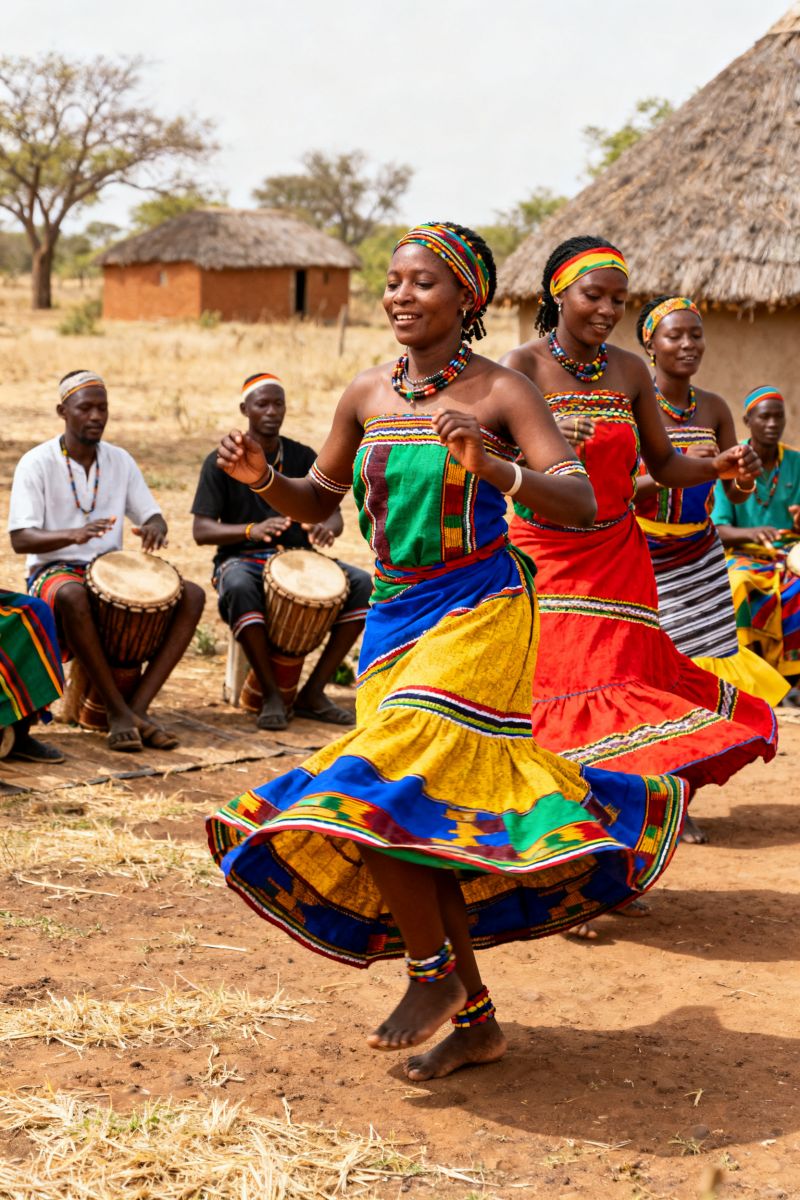
not a tribal one.Music and dance anchor Tsonga cultural expression. The xibelani dance, performed by women in layered skirts that shake to polyrhythmic drumming, has become a symbol of ethnic pride. During a visit to a cultural festival in Giyani, I watched a young woman explain that the dance's rapid hip movements mimic the vibration of a reed pipe organ—a unique Tsonga instrument. The rise of Tsonga disco in the 1980s, led by artists like Peta Teanet。brought the language to national radio in South Africa. Today, contemporary musicians such as Sho Madjozi blend Tsonga lyrics with hip-hop, a fusion that keeps the language audible for urban youth.Land and migration remain contentious issues. Many Tsonga families were displaced by the Kruger National Park's expansion in the early 20th century, and later by apartheid-era forced removals. This history of dispossession has fueled a strong attachment to ancestral graves and communal land. In a conversation with a Tsonga farmer near Malamulele, he pointed to a baobab tree that his great-grandfather planted—now a rallying point for a land restitution claim. The Tsonga people's resilience shows in how they adapt traditional governance structures to modern legal battles, often invoking customary law alongside constitutional rights.Language maintenance is a pressing concern. UNESCO classifies Xitsonga as vulnerable in some regions。though it is one of South Africa's 11 official languages. The 2011 census recorded over 3.8 million first-language speakers, but many young Tsonga in cities switch to English or Zulu for economic mobility. I observed a bilingual school in Acornhoek where teachers use Xitsonga for early literacy while introducing English gradually. The method works, but it depends on committed teachers and materials. Without sustained effort, the Tsonga language could lose ground in urban households—a pattern I've seen with other minority languages. Still, grassroots initiatives like community radio stations and TikTok poetry challenges show that the language's fate is far from sealed.